Kategória: News

  • Dr László Naszádos has received two outstanding awards

    Dr László Naszádos has received two outstanding awards

    Last year, Dr. László Naszádos, our company’s head of higher education, was awarded the title of associate professor by the University of Óbuda, where the company has launched a hosted department at the Kandó Kálmán Faculty of Electrical Engineering, called „Automotive Electronic Systems Department – thyssenkrupp”.


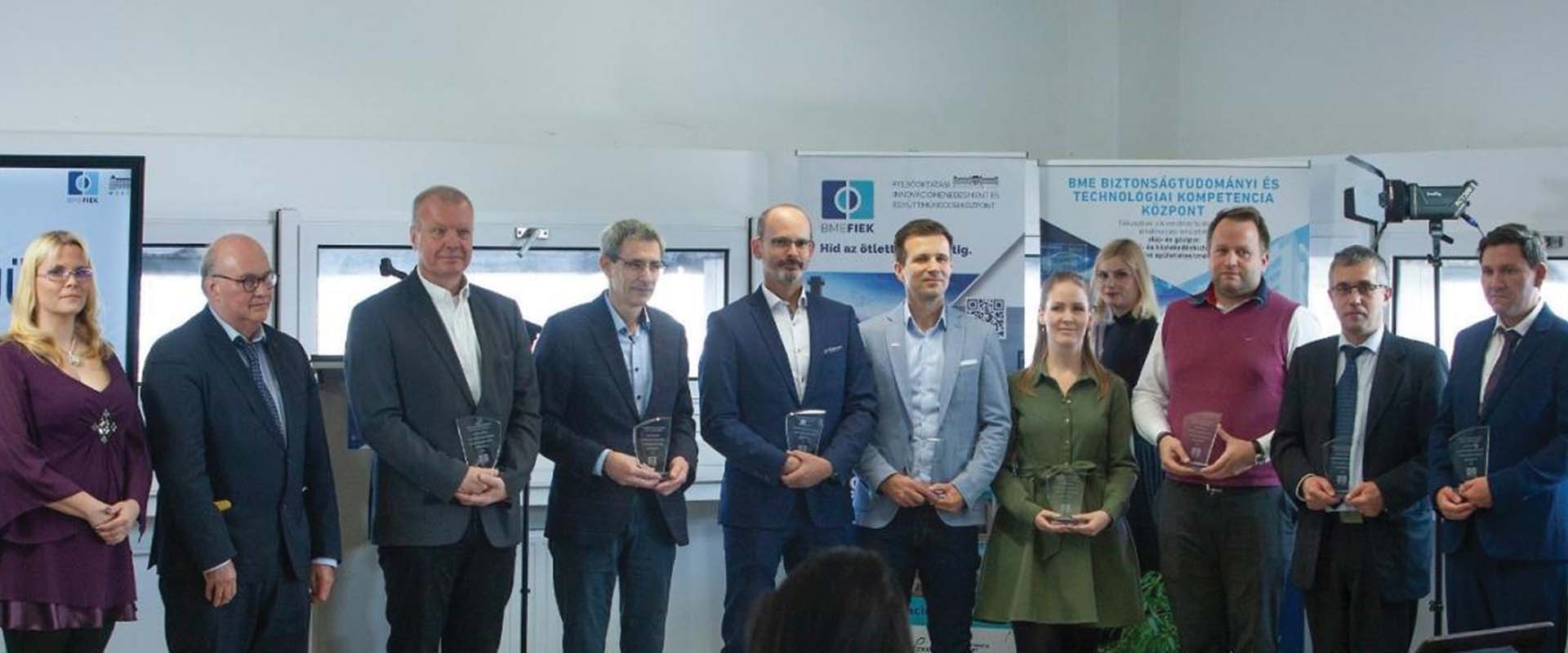
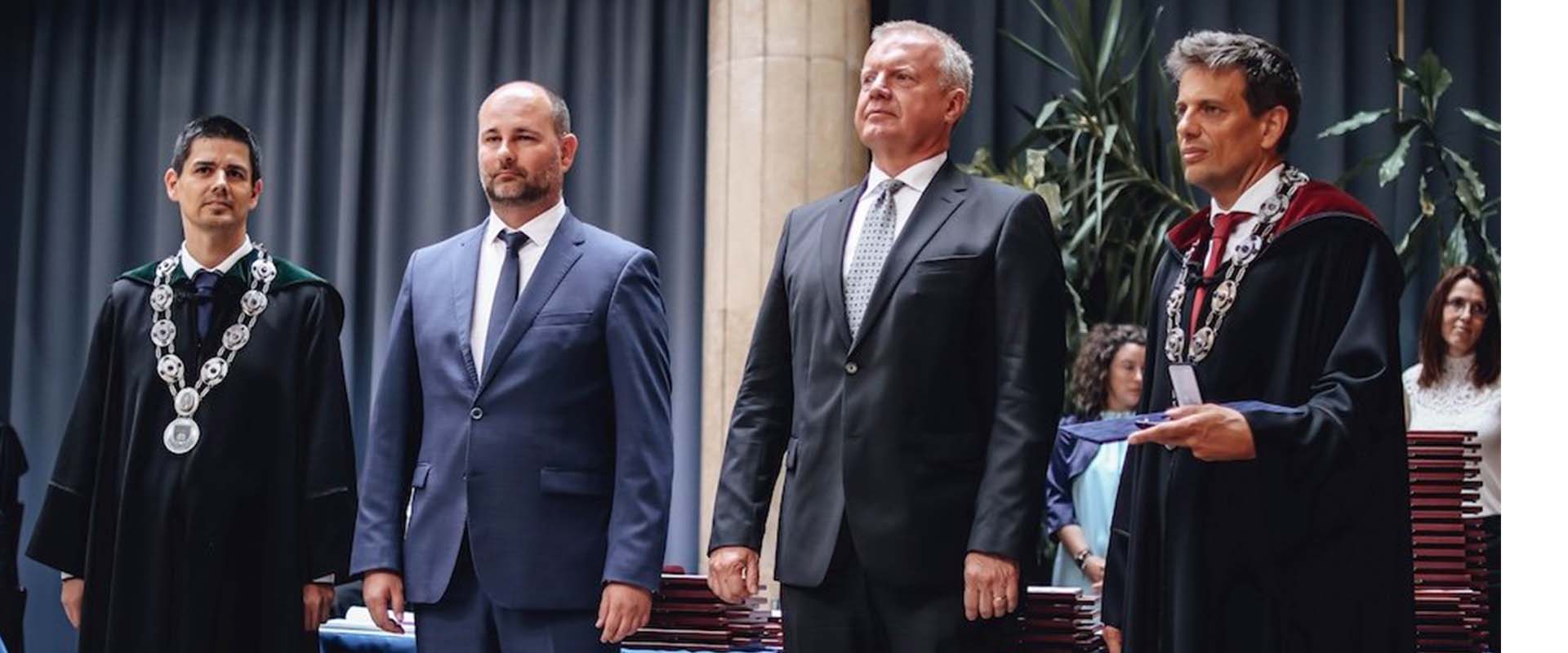
    In the past year, Dr. László Naszádos has received two outstanding awards: at the end of 2023, the Budapest University of Technology and Economics awarded him the Pro Facultate Prize for his work over the past 20 years, which has been instrumental in the cooperation between thyssenkrupp and the Faculty of Electrical Engineering and Informatics (VIK) of the BME. The award is a particularly high honour, as it is typically given to the university’s own lecturers. 


    And in June 2024, at the graduation ceremony of the Faculty of Information Technology of the University of Pannonia, he received the Pannonia Award for Higher Education for all that he has done to raise the educational standards of the Faculty of Information Technology and the professional development of its students.


    thyssenkrupp has a close relationship with all three universities and the cooperation covers a wide range of areas, from thesis writing to joint projects.

  • Full throttle into the future of the car

    Full throttle into the future of the car

    Professional athletes and musicians are occasionally heard to say that they have turned their hobby into their profession. Engineers, on the other hand, rarely say this. One exception is Leonard Lapis, an engineer at thyssenkrupp Steering and part of the #GENERATIONTK.

    „I’ve been fascinated by cars since I was a child,” says the Hungarian-born engineer, who grew up near Budapest. „Brochures and leaflets from international car manufacturers were piled up in my room, and I devoured the reports in the relevant trade magazines. I learned German with ‘Auto Motor Sport’,” says Lapis. „Since then, cars have been my hobby.”


    For this reason, the 38-year-old could only consider a career that had something to do with cars. Lapis studied mechanical engineering with a focus on vehicles. His first job at thyssenkrupp in

    In Budapest, he worked for Audi before returning to thyssenkrupp in 2016 – to Eschen in the Steering research and development department. Today, as Senior Specialist Chassis Controls, he leads a team of six that is concerned with nothing less than the future of automobility. He and his colleagues (they are actually all men at the moment) are responsible for the design and deployment of the Modular Research Platform (MRP) test vehicles. thyssenkrupp is using the vehicles, which are vaguely reminiscent of beach buggies, to test technologies that are important for autonomous driving, for example. „It’s about driving dynamics functions such as steering, brakes, drive and chassis,” says Lapis.


    And it’s all about safety and comfort. Lapis explains how his team is currently researching a system that transfers the steering function to the brakes – in case the actual steering fails or is disrupted while driving. What sounds like magic is possible because the steering system, called steer-by-wire, has no mechanical connection between the steering wheel and the steered wheels; instead, the steering impulse is transmitted by an electronic sensor. A side effect of the system is that when it is used during lane changes in autonomous driving, it not only increases safety but also driving comfort. „The vehicle then glides much more smoothly in the controlled direction,” says Lapis.

    This is all still a dream of the future. The use of steer-by-wire in production vehicles is still hardly widespread, but the steering transmission technology could be ready for the market in three or four years, says Lapis. His team is working closely with various car manufacturers such as Honda, BMW and Mercedes. „We can use the MRPs to simulate the chassis components of many popular models and adapt our developments directly to them,” says the engineer.

    Two vehicles are currently in use, both of which have an electric drive. Lapis was involved in the development of both MRPs. Essentially, he developed the modular software architecture to suit the agile research purposes. He spends up to ten weeks a year on the road with them on test tracks in Europe – from Arjeplog in the Arctic Circle in Sweden to Zalazone in his native Hungary and Nardo in southern Italy.


    „On test days, I spend between six and eight hours behind the wheel,” says Lapis, who has a comprehensive test driver’s license in addition to his diploma. He has completed several driver training courses with BMW and Audi, among others, which allow him to test vehicles on different surfaces, even at high speeds and in unstable driving areas. „The winter training on the glacier in Sölden was spectacular,” recalls Lapis. He is now practiced in reacting appropriately in almost every driving situation. „I have to be in control of the vehicle, even if a mistake occurs at high speed or I’m distracted by something,” he says.

    The test drives in the MRPs are highlights of his job. „You have to be focused every second,” he says, „but testing your own inventions on the track is incredibly fun.” And as an experienced pilot, he can assess how well they are working while he is driving. „You can feel how the vehicle reacts and whether it does what you think it should do.”

    Leonard Lapis also likes to drive special cars in his free time. For example, he owns a 40-year-old Mercedes 380 SL, which he drives on vacation. „I’ve already been to a few European countries in this classic car,” he says. That’s the way it is when your job is also your hobby.


  • BWI Group and thyssenkrupp Steering partner in EMB to lead world’s chassis-by-wire technology

    BWI Group and thyssenkrupp Steering partner in EMB to lead world’s chassis-by-wire technology

    BWI Group, a world-leading tier-1 intelligent automotive chassis supplier, and thyssenkrupp Steering, a global tier-1 automotive partner for steering solutions signed a contract for the development and manufacture of a pioneering Electro-Mechanical Brake (EMB) technology. This collaboration aims to further advance level 3 and above autonomous driving brake capabilities.

    The long-term cooperation will pave the way for further chassis-by-wire collaboration. The technical synergies will drive the future of X-by-wire chassis systems and enable the transformation from assisted to autonomous driving by enhancing safety, comfort and efficiency.

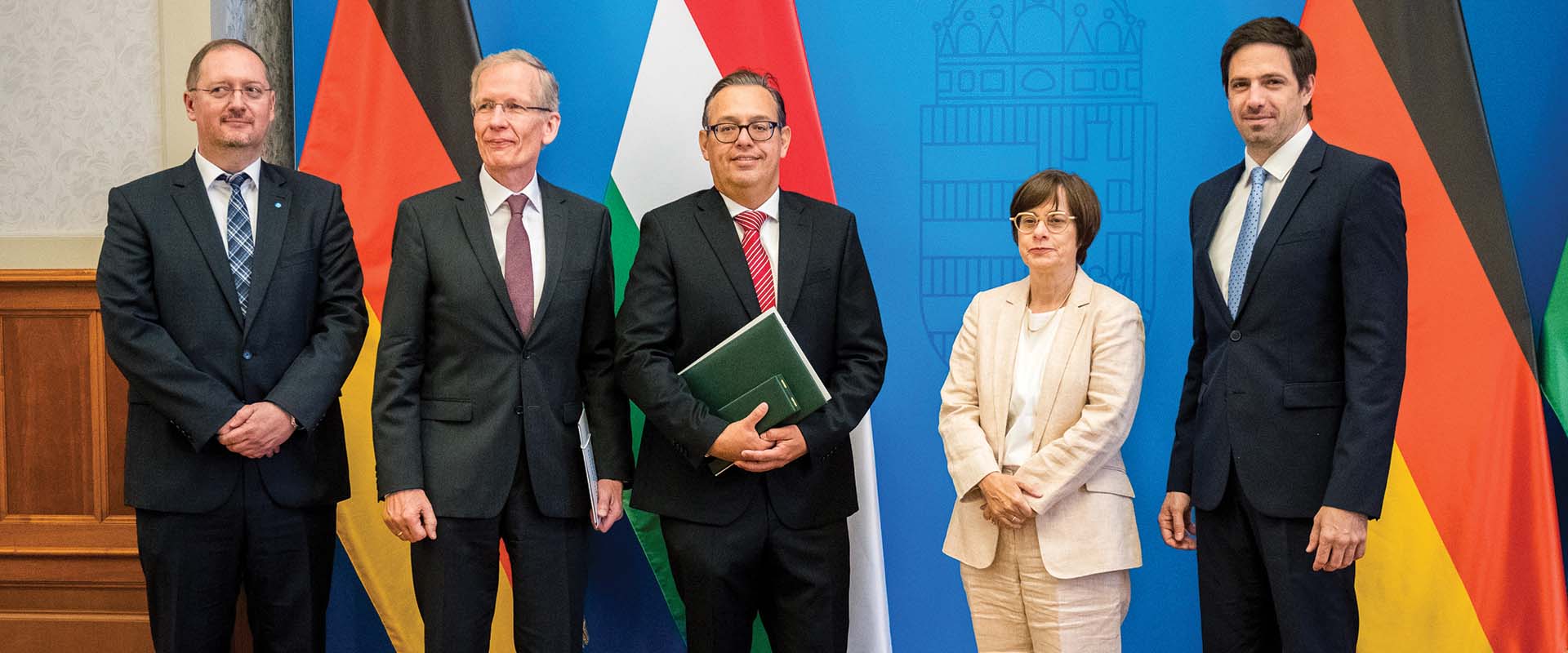
    George Chang, CEO of BWI Group, and Patrick Vith, CEO of thyssenkrupp Steering, formalized the agreement in Budapest, Hungary, on April 9. Executives from both companies were present at the signing ceremony.

    “We at BWI are excited about the future of chassis-by-wire,” said George Chang, CEO of BWI Group. “We are pleased to be collaborating with thyssenkrupp Steering on this truly innovative technology, leveraging our expertise in braking systems since 1934 and our century-long heritage of chassis technology innovation to drive progress within the industry.”

    “Together, we want to contribute to the next generation of chassis systems and set standards for safety, performance, and sustainability” said Patrick Vith, CEO of thyssenkrupp Steering. “Our many years of experience as a major supplier in the steering sector will stand us in good stead.”

    Under the agreement, BWI Group and thyssenkrupp Steering will leverage their strengths and expertise in safety-critical systems and software to bolster their collaboration.  Both companies will accelerate the joint development of EMB systems as one important element of future vehicle motion control (VMC) solutions. BWI Group brings more than a century of history and real-world R&D and production experience to the development of the new EMB product, including expertise in brakes and suspension systems. It serves more than 50 customers worldwide. The company also leverages its prior experience with EMB systems as Delphi in the 2000s.

    thyssenkrupp Steering has been developing steer-by-wire technology for many years. The company contributes deep knowledge of new electrical/electronic (E/E) architectures and software, as well as its competence in electro-mechanical braking systems derived from steering technology.


    Dr. Karsten Kroos, CEO of thyssenkrupp Automotive Technology said „Through partnerships like this one, we aim to develop competitive components for modern chassis systems serving the global automotive industry in an agile, innovative, and capital-efficient manner. Our focus is on synergies in technology and costs.”

    Doug Carson, CTO of BWI Group said: “We have strong expectations in forging this strategic partnership with thyssenkrupp. Together, our brake-by-wire expertise will drive chassis technology breakthroughs that meet global standards and promote EMB adoption in Europe, North America, and Asia.”  

    EMB R&D will occur at BWI Group’s global R&D Centers located in Italy, Poland, U.S. and China, along with its Shanghai Software Center; thyssenkrupp’s technical centers in Hungary and Liechtenstein will also perform significant roles.

    Pioneering full-dry EMB technology

    The jointly developed EMB system is a premier offering that complements both companies’ controlled chassis portfolios. The two companies are now developing the third generation of EMB, a revolutionary technology that fulfills the need for simplified vehicle assembly while providing braking redundancy for Level 3 and above autonomous driving technologies.

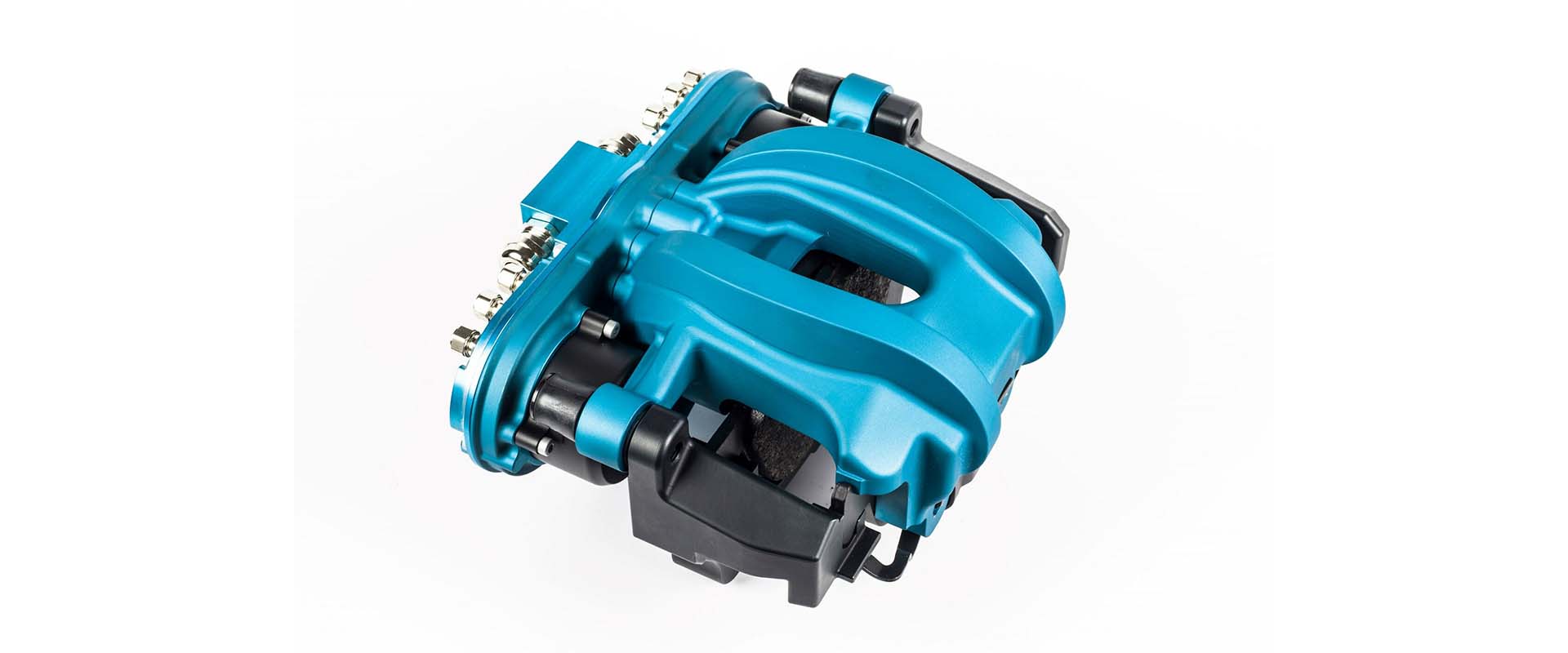
    Featuring a dual-motor design, efficient packaging, and novel redundancy, the newly developed EMB caliper ensures safety and reliability. Its reaction speed for time to wheel lock (TTL) is nearly twice as fast than modern one box wet brake systems.  Additionally, it enables complete braking energy recovery and fully meets the electric and intelligent needs of braking systems for smart vehicles.

    EMB is a visionary brake technology that eliminates the need for brake fluid while offering precise control with zero drag. It will become the definitive solution for future brake-by-wire technology, replacing current hydraulic calipers, and the accompanying One-Box and Two-Box brake actuation/modulation systems.

    Globalized production anticipated in 2026

    Looking ahead, the project plans to establish state-of-the-art automated production lines by 2025. Production and product delivery are expected to begin in 2026. BWI Group’s advanced automated production facilities worldwide will coordinate and expedite the mass production of EMB systems, ensuring this groundbreaking technology is available to a wide array of automakers worldwide.

    Leveraging BWI Group’s nine manufacturing facilities and multiple proving grounds spread across key automotive centers in Asia, Europe, and North America, this cooperation regarding EMB systems, ensures efficient production and widespread distribution. Because the products are designed for worldwide markets, they will be manufactured to high standards to fulfill the variety of local demands and requirements.

    Strong market growth ahead

    EMB technology is becoming the focus of key automotive manufacturers, and it represents game-changing evolution for automotive chassis systems and the future demands of propulsion drive systems, electrification, performance, and sustainability.

    The jointly developed EMB caliper system underwent dynamic tests in Sweden, U.S. and China. Enthusiastic feedback and interests well as cooperation intentions were secured with major automakers in the three continents.

    An industrial forecast projects that EMB calipers will contribute 13% of the total global braking market by 2035.


    About BWI Group

    BWI Group is a tier-1 full-service supplier of intelligent chassis systems, designing and manufacturing brake and suspension systems for the global transportation market. The company has nine production bases, seven R&D centers, multiple test tracks and a software center in core automotive production areas in North America, Europe, and China.

    BWI Group brings to market and expertly integrates a broad range of products, including standard technologies, such as twin-tube passive suspension dampers and foundation brake system calipers, rotors, linings, and corners.  Innovative and impactful solutions such as MagneRide® active damping exclusively from BWI Group, world-leading AeroRide™ air suspension, ValveRide™ continuously variable damping, and DBC1280 ESC, iDBC1 One-Box, and iDBC2 Two-Box brake systems are available. 

    With a heritage dating back more than a century, BWI’s people, manufacturing plants, technical centers, and intellectual property enable us to serve more than 50 passenger vehicle brands globally, including Audi, BMW, BYD, Cadillac, Chevrolet, Citroen, Ferrari, Ford, Jaguar, Lamborghini, Land Rover, Mercedes-Benz, Nio, Peugeot, Porsche, Stellantis, Volkswagen, and Volvo.

    https://www.bwigroup.com

    About thyssenkrupp Steering

    thyssenkrupp Steering is an internationally operating business unit of thyssenkrupp AG’s Automotive Technology segment. The company develops and produces steering systems for more than 30 million vehicles annually. The company with its headquarters in Eschen, Liechtenstein is the center of the business unit employing more than 11.000 employees in 24 R&D and manufacturing locations around the globe. Based on steering technologies, it is driving forward current development projects, such as steer-by-wire and the further development of assistance systems as a precursor to autonomous driving.

    https://www.thyssenkrupp-automotive-technology.com/de/unternehmen/organisationsstruktur/steering

    About thyssenkrupp Automotive Technology

    thyssenkrupp Automotive Technology is one of the leading suppliers and engineering partners to the international automotive industry. Its range of products and services includes high-tech components and systems, as well as automation solutions for vehicle manufacturing. Its product range includes chassis technologies, such as steering and damper systems and the assembly of axle systems, as well as powertrain components for conventional and alternative engines. thyssenkrupp Automotive Technology also develops assembly lines for body-in-white construction and produces lightweight car body components in series. The segment achieved sales of 7.9 billion euros in fiscal 2022/23. Furthermore, it specializes in the production of springs and stabilizers for various types of vehicles, as well as components and systems for tracked vehicle undercarriages. Automotive Technology has a global production network comprising more than 90 sites in Europe, Asia, and North and South America.

  • Research on industrial safety technology at the BME Competence Centre

    Research on industrial safety technology at the BME Competence Centre

    The Competence Centre project, coordinated by the Budapest University of Technology and Economics (BME), has concluded with new developments.

    The project, which ran from 2021-2023, was a collaboration between the University of Technology and large companies, with the collaboration of the BME’s Centre for Innovation Management and Cooperation in Higher Education (FIEK).

    The three-year project was linked to the key research area of the future, industrial security technology, and aimed to create a competence centre for industrial security technology that could also provide added market value for companies.

    In the project, BME collaborated with major companies such as Mol, Bosch, thyssenkrupp and ZÁÉV to jointly develop competitive products and services.

    Combining the scientific and economic potential of academic and industrial partners led to the joint development of valuable technologies and products, meeting both business and scientific requirements.

    The results of the project include laboratories, new products, prototypes and technologies developed. The effective design and development of safety-critical operations in the project has also brought market returns, so that the innovations can be adapted to a wide range of fields,” says the project’s final communication.

    The cooperating partners
    Mol-BME: From the point of view of energy and petrochemical processes, the improvements formulated in the project put particular emphasis on enhancing sustainability and operational safety.

    The project resulted in the creation of a new product prototype and a new laboratory, the MOLecoPAT laboratory. In thisindustry, direct economic benefits are derived from cost savings due to the transformation of emergency situations.

    The development of new computer programmes has resulted in a more efficient management system, which benefits all levels of the company’s management,” said István Szabolcs Szentgyörgyi, Head of IT&Digital Downstream at MOL.

    Bosch-BME: solving the challenges of developing safety-critical systems is the most critical in the automotive and transport sectors. The centre, with its complex laboratory, is able to develop solutions to improve transport safety, in particular access safety, through more accurate test procedures and models.

    System-level behaviour prediction of e-mobility, increasing traffic and access safety and reducing adverse environmental impacts were also part of the project,” said András Kemler, Managing Director of Technical Operations at Robert Bosch Ltd.

    The Innovative Vehicle Technologies Competence Centre and Laboratory at the BME offers state-of-the-art testing facilities for students and automotive companies to work together on new innovations, automotive technologies and solutions for safe transport.

    thyssenkrupp-BME: automotive development processes are subject to stringent safety standards for all safety-critical components. Within thyssenkrupp, the competence centre in Hungary is responsible for the development of electronics and software for steering systems. These ensure the functional safety of steering.

    In this project, experts have developed innovative model-based methods and tools to address the challenges that arise during development, enabling safety-critical systems to be developed more efficiently while at the same time increasing the safety of the systems.

    The methods developed in the project were finally applied to the development of a prototype steering system for the automotive industry,” said Dr. László Naszádos, Head of University Relations.

    ZÁÉV-BME: The bridge girder sub-project has been a two-way development process. Firstly, a family of bridge beams was developed, which could be produced at lower cost using existing production technology, with the development of new concrete materials, and which could be installed in large volumes in bridges for road and rail infrastructure, with a strength and reliability that met the safety level of European standards.

    We have also managed the full market introduction of this by developing a design guide and obtaining the necessary product certificates for marketing.

    The other development direction was the development of prototype products with higher performance, higher strength or durability requirements than conventional products and unique technological solutions that are not yet applied in the industry in the field, and which are unique in the bridge girder market both at home and abroad.

    The other sub-project objective is to investigate on-site digitisation solutions and develop a digital platform for construction, as well as to improve ZÁÉV’s overall digitisation processes through BIM-centric training – summarised the most important developments, said Deputy CEO József Dormán.

    The Centre of Competence in Security Science and Technology project was implemented within the framework of a call for proposals of the National Research, Development and Innovation Office.
    You can now watch the video of the joint project on our YouTube channel: https://www.youtube.com/watch?v=L9ojg_6YhF4

  • thyssenkrupp expands its capacities in Jászfényszaru with the production of electric motor components for nearly 23 billion euros

    thyssenkrupp expands its capacities in Jászfényszaru with the production of electric motor components for nearly 23 billion euros

    Another important milestone has been reached in the expansion of the German thyssenkrupp factory complex in Jászfényszaru. The site has two factories: one for the production of electromechanical steering systems and the other for engine components for international automotive customers.


    The latter plant will be expanded to produce rotors for electric motors. The capacity increase will add 8,200 m2 to the factory in Jasfényszaru.


    The current production activities of the plant are not affected by the ongoing construction works or the new equipment to be installed for the new product. Construction works are expected to be completed in the first quarter of 2024 and production is expected to start in the third quarter of 2024.


    In recent years, thyssenkrupp has continued to invest heavily in research and development. This includes the development and industrialisation of new products suitable for electric drive trains, starting with conventional valve control systems for internal combustion engines some ten years ago. Today, it successfully supplies rotors to well-known players in the automotive market. The expansion of the Jászfényszaru plant will increase thyssenkrupp’s rotor production capacity to more than two million units per year. Most of the components will be supplied to German premium car manufacturers.


    „We are very proud to have reached this another significant milestone. The rotor production in Jászfényszaru will create 110 new jobs and meet the future needs of the automotive industry. With commitment, flexibility and creativity, we will find the right solution in difficult situations. thyssenkrupp is planning for the long term in Hungary and will continue its development in the country,” said Marc de Bastos Eckstein, Managing Director of thyssenkrupp Components Technology Hungary.


    Following the announcement of the expansion, on the basis of a proposal by the Prime Minister, President of the Republic Katalin Novák awarded Marc de Bastos Eckstein the Knight’s Cross of the Order of Merit of Hungary, which was presented by Levente Magyar, Deputy Minister of the Ministry of Foreign Affairs and Trade, in recognition of his successful leadership work in further deepening Hungarian-German economic cooperation and contributing to the dynamic development of the Hungarian automotive industry in recent years.


    thyssenkrupp’s success story began in Hungary in 1999, when Hungarian engineers and thyssenkrupp jointly started developing new electromechanical steering systems. The company is now one of the 100 largest domestic employers, one of the most popular places to work and one of the top 50 companies in Hungary with export revenues. thyssenkrupp has invested more than HUF 150 billion in Hungary since 2015.


    The company is also active in R&D, manufacturing and assembly in Hungary: the company’s Electrical and Electronics Competence Centre, which employs nearly a thousand engineers, is based in Budapest and works on future government systems together with the automotive engineering service centres in Veszprém, Szeged and Győr. In Debrecen, thyssenkrupp makes stabilizers and springs, while in Győr it also operates a chassis assembly plant and a Steel Service Center. The company currently has more than 3,200 employees in Hungary.


    thyssenkrupp has already started recruiting new employees for the new plant in Jászfényszaru.

  • thyssenkrupp opens automotive engineering department in Szeged

    thyssenkrupp opens automotive engineering department in Szeged

    Thyssenkrupp Automotive is opening an automotive engineering centre in Szeged, making the city an internationally prominent location for the development of state-of-the-art electro-mechanical steering systems. The company’s highly qualified engineering staff will develop high-end automotive hardware and software for the world’s biggest car brands. The engineering team in Szeged will work in close cooperation with the centres in Budapest and Veszprém. 

    Thyssenkrupp plans to increase the number of qualified engineers working in Hungary by more than 200 in the next three years, and Szeged was an ideal location for the team, along with Budapest and Veszprém: the presence of the University of Szeged and the fact that Szeged has increasingly become a regional centre for IT services and software development in the recent years were key factors in this decision. Thyssenkrupp will now reinforce this ambition and development by bringing high-level knowledge-intensive development tasks to Szeged. 

    The new engineering service centre will support the company to exploit its market potential more effectively and in coordination with the Budapest office employing 1,100 engineers and the Veszprém office with more than half a hundred employees, will significantly increase the international competitiveness of thyssenkrupp’s specialised R&D activities.

    At the announcement was also attended by Béla Mihálffy, Member of Parliament, Sándor Nagy, Deputy Mayor of Szeged and Dóra Tagai, Head of HR at thyssenkrupp.

  • Our automotive engineering service centre in Veszprém was opened officially

    Our automotive engineering service centre in Veszprém was opened officially

    At the end of June, we officially opened our automotive engineering service centre in Veszprém. The engineering team in Veszprém, in cooperation with the company’s R&D centre in Budapest, is already working on development projects for the world’s largest automotive manufacturers on almost every continent. The Veszprém centre works in close cooperation with the University of Pannonia and the office is also located on the university campus. The joint work includes supporting educational development activities related to automotive systems, giving lectures, providing internships and collaborating on projects and theses. Thyssenkrupp also provides workplaces for students, where they can participate in actual research and development tasks. 

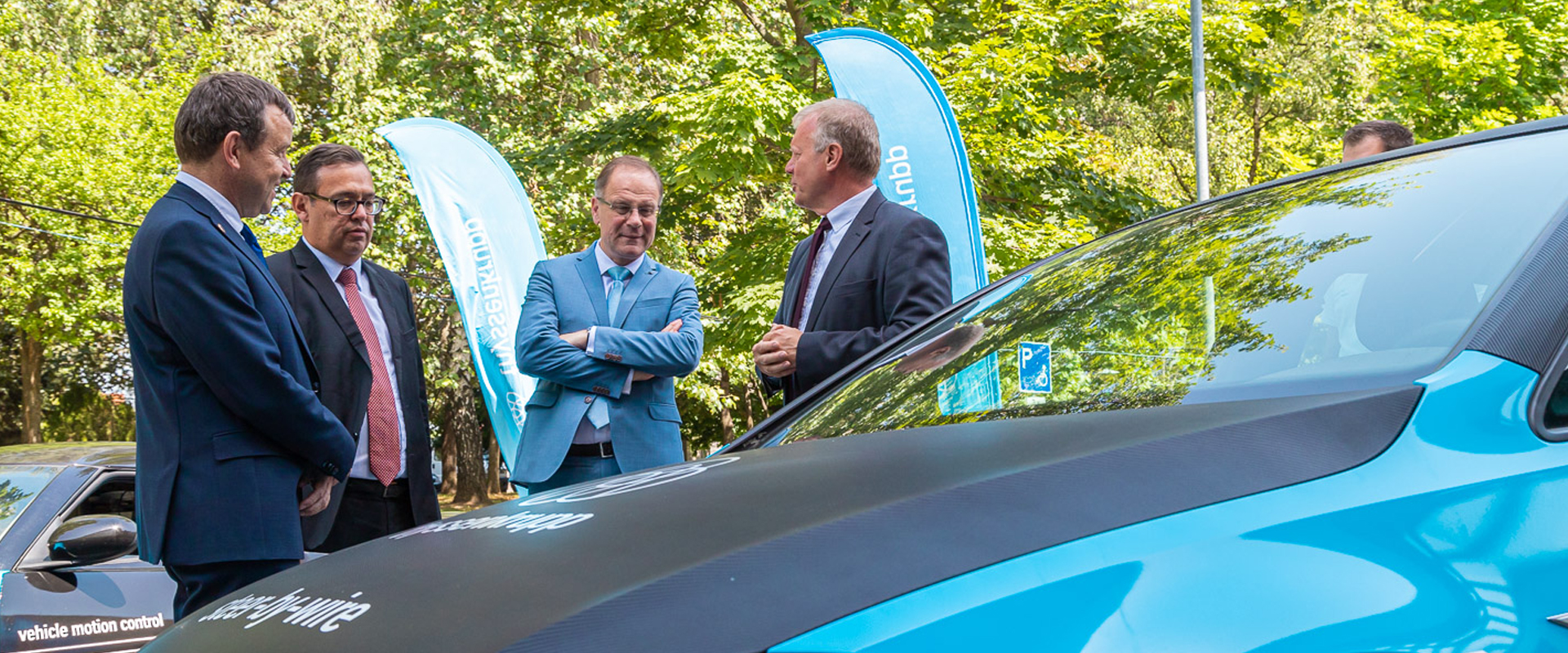
    The ceremony was highlighted with the attendance of Mr. Tibor Navracsics, Minister of Regional Development and President of the Foundation for the University of Pannonia; Mr. Péter Ovádi, Member of Parliament and Government Commissioner; Mr. Gyula Porga, Mayor of Veszprém; Dr. András Gelencsér, Rector of the University of Pannonia; Mr. Zsolt Csillag, Chancellor of the University of Pannonia and Mr. Marc De Bastos Eckstein, General Manager of thyssenkrupp Components Technology Hungary.

  • Cooperation between Óbuda University and thyssenkrupp’s Competence Centre in Budapest

    Cooperation between Óbuda University and thyssenkrupp’s Competence Centre in Budapest

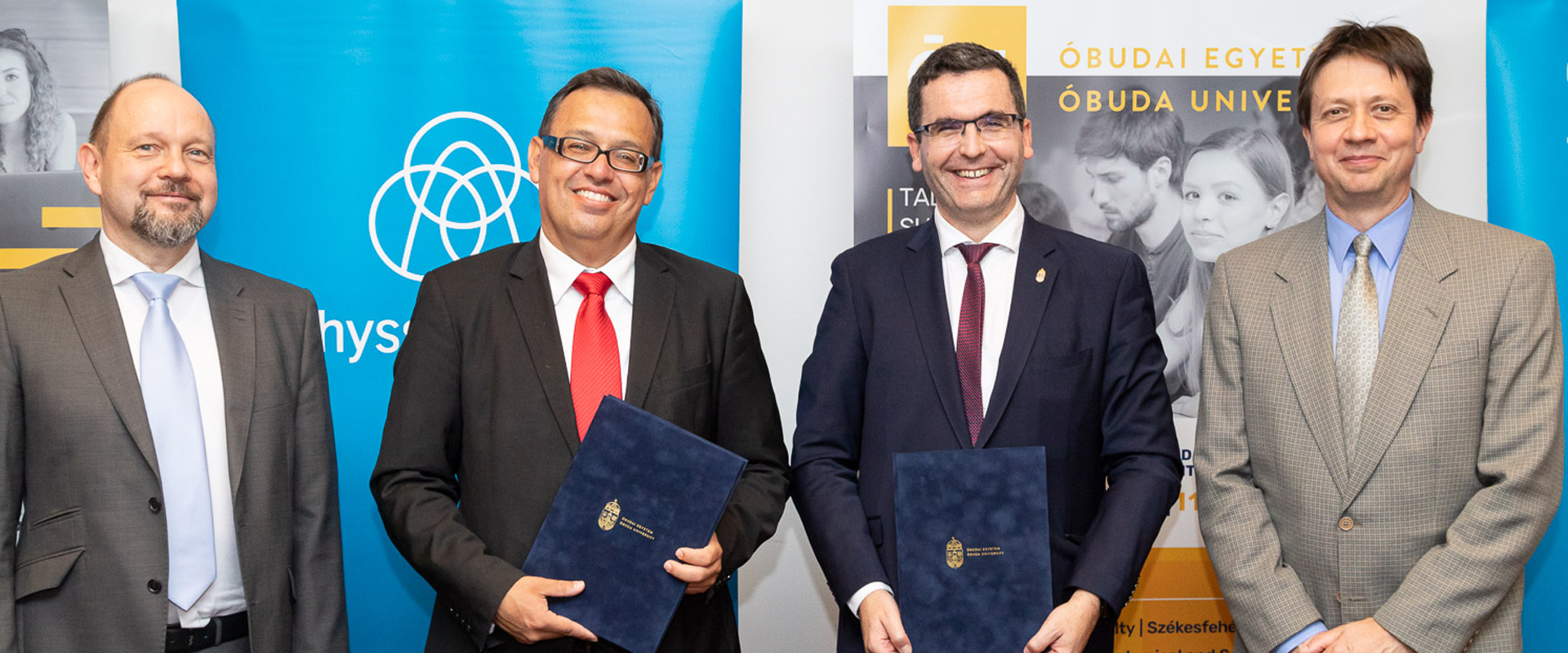
    Óbuda University and thyssenkrupp’s E/E (Electric and Electronic) Competence Centre for the Automotive Industry in Budapest have signed a cooperation agreement. The agreement, which was signed by Marc de Bastos Eckstein, general manager, and Prof. Dr. Levente Kovács, rector, covers, among other things, applied research, the provision of internships and the joint implementation of cooperative internship programmes. 

    The collaboration between Óbuda University and thyssenkrupp’s automotive centre in Hungary will provide the university with up-to-date industrial knowledge and technology on issues facing the global automotive industry, and the company with new approaches and creative ideas for its development.

    Within this collaboration, the Óbuda University will get up-to-date industrial knowledge and technology on issues the global automotive industry currently facing with, while the company will gain new approaches and creative ideas for its development.

  • We have been awarded the Office of the Year 2021 and the Audience Award Winning Office of the Year 2021

    We have been awarded the Office of the Year 2021 and the Audience Award Winning Office of the Year 2021

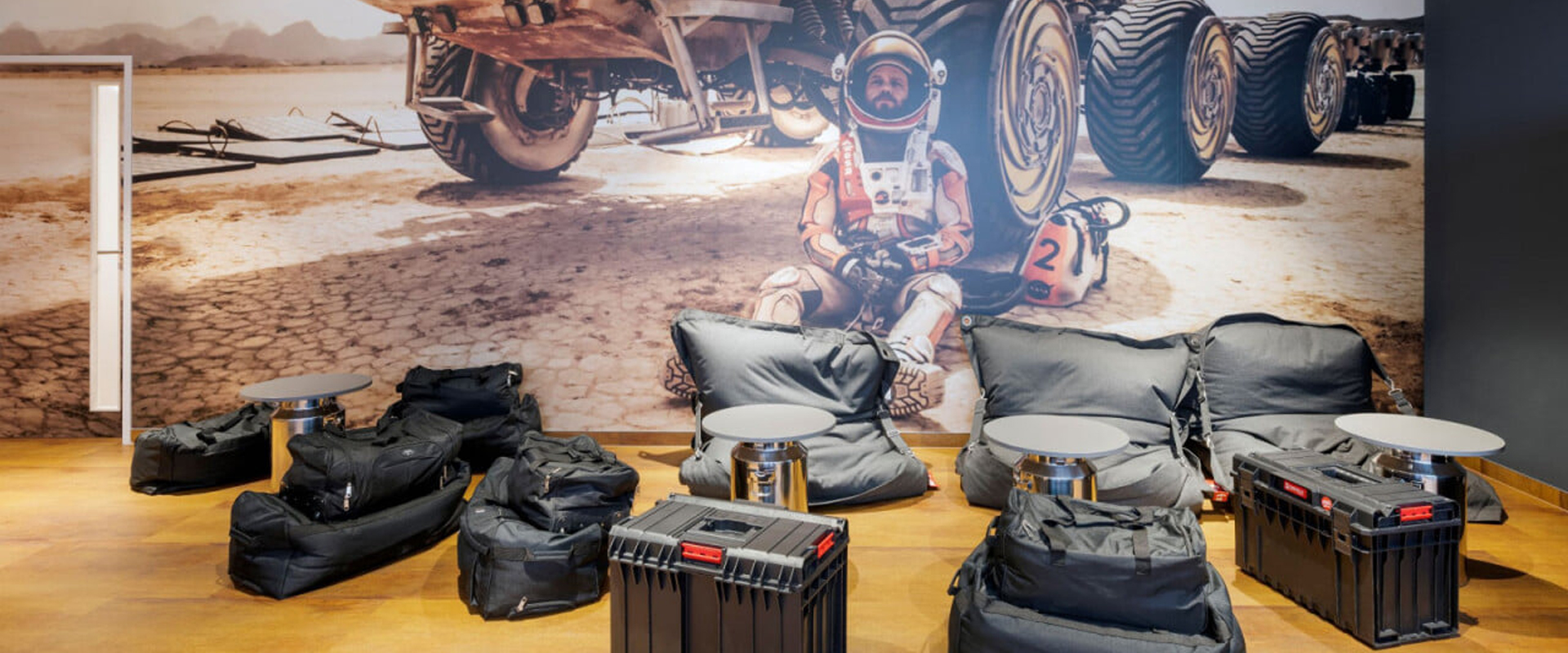
    This April, we won the Office of the Year 2021 and the Audience Award Office of the Year 2021 price/recognition. According to the Architect Forum’s article ” It is an attractive but difficult task for a designer to design a new office and laboratory complex in an existing office building based on the specific needs of a creative team of engineers who are constantly at the forefront of their field, regularly experimenting with hardware and software. While at first glance the new office at thyssenkrupp’s E/E development centre in Budapest may appear to be a trendy workplace, it is actually more than that: it is a workplace for day-to-day development work and agile project management, the basic infrastructure for a fine ecosystem and connectivity system for creativity and precision engineering teamwork.


    The thyssenkrupp engineers and their support functions have moved from several buildings with very different characteristics to the 16,000 m2 of space rented in the SBBP office building. The design was preceded by a detailed needs assessment and a detailed technical survey of the building, led by MádiLáncos Studio. Through a series of questionnaires and interviews with a cross-section of the thyssenkrupp team, the designers explored the type of workspaces, community and collaboration spaces needed to work effectively, and the comfort needs the new office should meet to ensure that employees feel comfortable. The new „workplace strategy” outlined in the results has focused on collaboration.”

  • ‘Research and Development Investment of the Year’ award for thyssenkrupp at HIPA’s ‘Investors of the Year 2019’ gala event

    ‘Research and Development Investment of the Year’ award for thyssenkrupp at HIPA’s ‘Investors of the Year 2019’ gala event

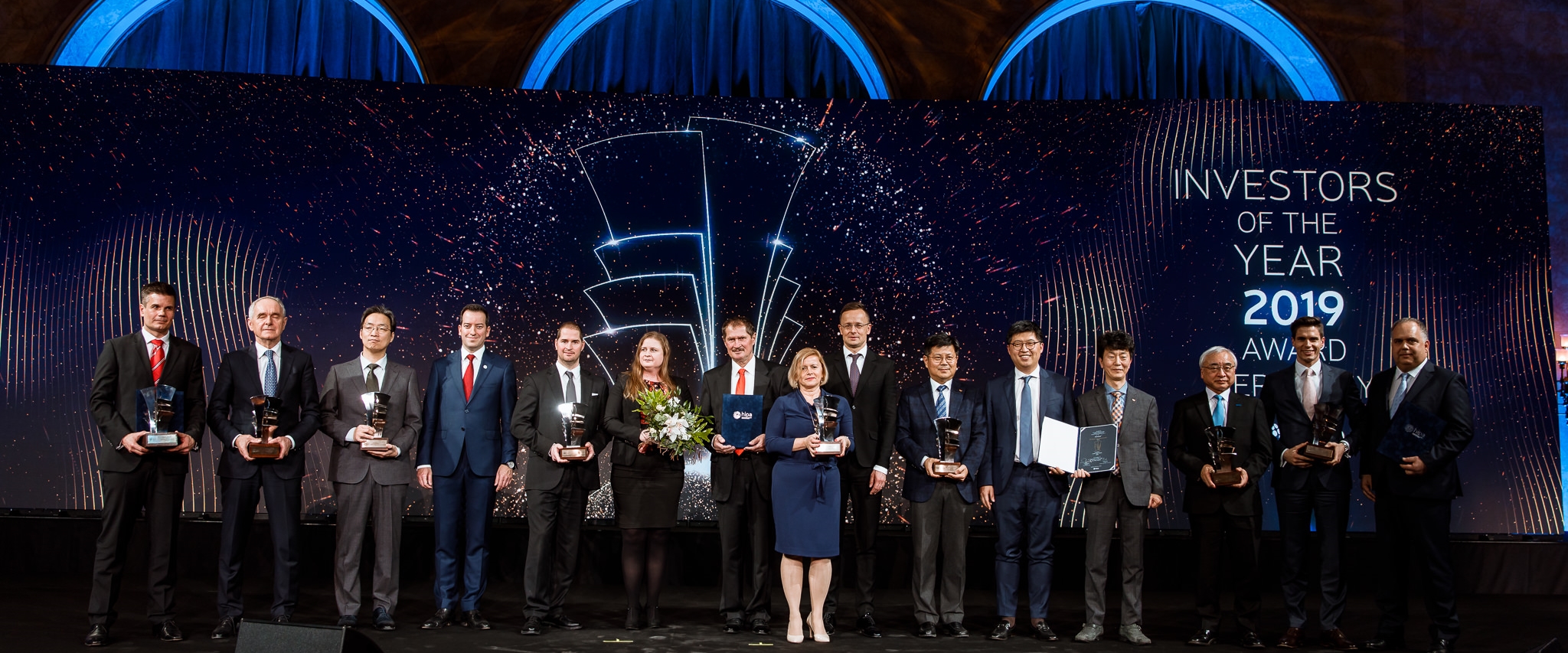
    The Hungarian Investment Promotion Agency (HIPA) honoured investments targeting Hungary in 2019 in eight categories at the ‘Investors of the Year’ gala event of which thyssenkrupp Components Technology Hungary Kft. was granted the ‘R&D Investment of the Year’ award. The prize was presented to Dóra Tagai, Head of HR of our company by Péter Szijjártó, Minister of Foreign Affairs and Trade and Róbert Ésik, CEO of HIPA.

    thyssenkrupp started its activities in Hungary in 1999 and has been engaged in research and development activities since then. The electric and electronic (E/E) competence centre in Budapest operates as the global development centre of thyssenkrupp AG. In 2019 the R&D workforce increased by 66 people, thereby our company now employs more than 900 highly qualified Hungarian engineers, who have gained international recognition with the development of electromechanical steering systems.

    Each year at the „Investors of the Year” award ceremony the companies executing the most considerable investments of the previous year are being recognized together with a Hungarian supplier and an industrial park.